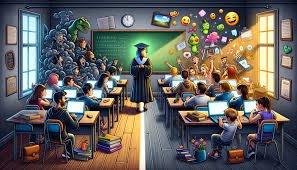
Education has always been considered the backbone of a successful society. For decades, traditional education systems—classroom-based learning, standardized exams, fixed curricula, and teacher-centered instruction—have shaped generations of students. However, the world has changed dramatically. Technology, globalization, and evolving job markets have transformed how people live and work. Unfortunately, many education systems have failed to keep up. As a result, traditional education is increasingly struggling to meet the needs of modern students.
This article explores the key reasons why traditional education is failing today’s learners and why a more flexible, student-centered approach is urgently needed.
1. Outdated Curriculum
One of the biggest flaws in traditional education is an outdated curriculum. Many schools still focus heavily on memorization of facts rather than practical understanding. Students are often required to learn information that has little relevance to real-life situations or modern careers.
In today’s fast-paced world, skills like critical thinking, problem-solving, digital literacy, and adaptability are far more important than rote learning. However, traditional curricula are slow to change and often ignore emerging fields such as artificial intelligence, data analysis, digital marketing, and entrepreneurship. As a result, students graduate with knowledge that may already be obsolete.
2. One-Size-Fits-All Approach
Traditional education treats all students the same, ignoring individual learning styles, interests, and abilities. Every student is expected to learn at the same pace, using the same methods, and be assessed in the same way.
Modern research shows that students learn differently. Some learn better visually, others through hands-on activities, discussion, or independent exploration. When education systems fail to accommodate these differences, many students feel left behind, bored, or frustrated. This rigid approach discourages creativity and prevents students from reaching their full potential.
3. Overemphasis on Exams and Grades
Exams and grades dominate traditional education. Success is often measured solely by test scores rather than true understanding or skill development. This creates immense pressure on students and shifts the focus from learning to memorization.
Many students learn just to pass exams, forgetting most of the material shortly afterward. This exam-centered culture also increases anxiety, stress, and fear of failure. Instead of encouraging curiosity and love for learning, traditional education often promotes competition and comparison, which can harm students’ mental well-being.
4. Lack of Practical Skills
Another major issue is the lack of practical, real-world skills taught in traditional education. Students may spend years studying theories without ever learning how to apply them.
Skills such as communication, teamwork, financial literacy, time management, emotional intelligence, and career planning are rarely taught in schools. When students enter the workforce, they often struggle because they are unprepared for real-life challenges. Employers today value skills over degrees, yet traditional education still prioritizes certificates rather than competence.
5. Teacher-Centered Learning Model
Traditional classrooms are usually teacher-centered, where the teacher lectures and students passively listen. This model limits interaction, discussion, and independent thinking.
Modern students grow up in a digital environment where information is easily accessible. They no longer need teachers to act as the sole source of knowledge. Instead, teachers should act as guides, mentors, and facilitators. Unfortunately, many traditional systems resist this shift, resulting in disengaged students who feel disconnected from the learning process.
6. Ignoring Technology Integration
Technology has revolutionized nearly every industry, yet many education systems still rely on old teaching methods. While students use smartphones, computers, and the internet daily, schools often ban or limit technology instead of integrating it effectively.
Online learning platforms, interactive tools, virtual classrooms, and AI-powered learning resources can personalize education and make learning more engaging. Traditional education’s resistance to technology prevents students from developing essential digital skills needed in modern careers.
7. Poor Preparation for the Job Market
The gap between education and employment is growing. Many graduates struggle to find jobs because their education does not align with market demands. Traditional education often emphasizes academic knowledge while ignoring industry trends.
Today’s job market values creativity, innovation, adaptability, and continuous learning. Careers are no longer linear, and many jobs that exist today did not exist a decade ago. Traditional education fails to prepare students for this uncertainty, leaving them unready for freelancing, remote work, entrepreneurship, and digital careers.
8. Neglect of Mental Health and Emotional Development
Modern students face increasing mental health challenges due to academic pressure, social expectations, and digital overload. Traditional education systems rarely address emotional well-being, self-awareness, or stress management.
Schools often prioritize academic performance over student happiness and mental health. This neglect can lead to burnout, anxiety, depression, and loss of motivation. Education should nurture the whole individual, not just academic achievement.
9. Lack of Creativity and Innovation
Creativity is essential in today’s world, yet traditional education often suppresses it. Strict rules, fixed syllabi, and standardized assessments leave little room for creative expression.
Students who think differently or challenge existing ideas may be labeled as disruptive rather than innovative. This discourages curiosity and risk-taking—qualities that are crucial for innovation and progress in modern society.
10. Slow Adaptation to Change
Perhaps the most critical problem with traditional education is its slow response to change. The world is evolving rapidly, but education systems often take years or even decades to update policies, curricula, and teaching methods.
Modern students need lifelong learning skills to survive in an ever-changing environment. Traditional education’s rigid structure makes it difficult to adapt quickly, leaving students unprepared for future challenges.
The Way Forward
While traditional education has played an important role in history, it is no longer sufficient on its own. The solution is not to abandon education, but to transform it. A modern education system should focus on:
- Student-centered learning
- Skill-based education
- Technology integration
- Mental health support
- Practical, real-world experiences
- Continuous and lifelong learning
Blended learning models, online education, project-based learning, and personalized curricula can bridge the gap between traditional education and modern needs.
Conclusion
Traditional education is failing modern students because it is outdated, rigid, exam-focused, and disconnected from real-world demands. Today’s learners need more than memorized facts—they need skills, creativity, adaptability, and emotional intelligence to thrive in a complex and competitive world.
Reforming education is no longer optional; it is essential. By embracing change and focusing on the needs of modern students, education can once again become a powerful tool for personal growth and societal progress.